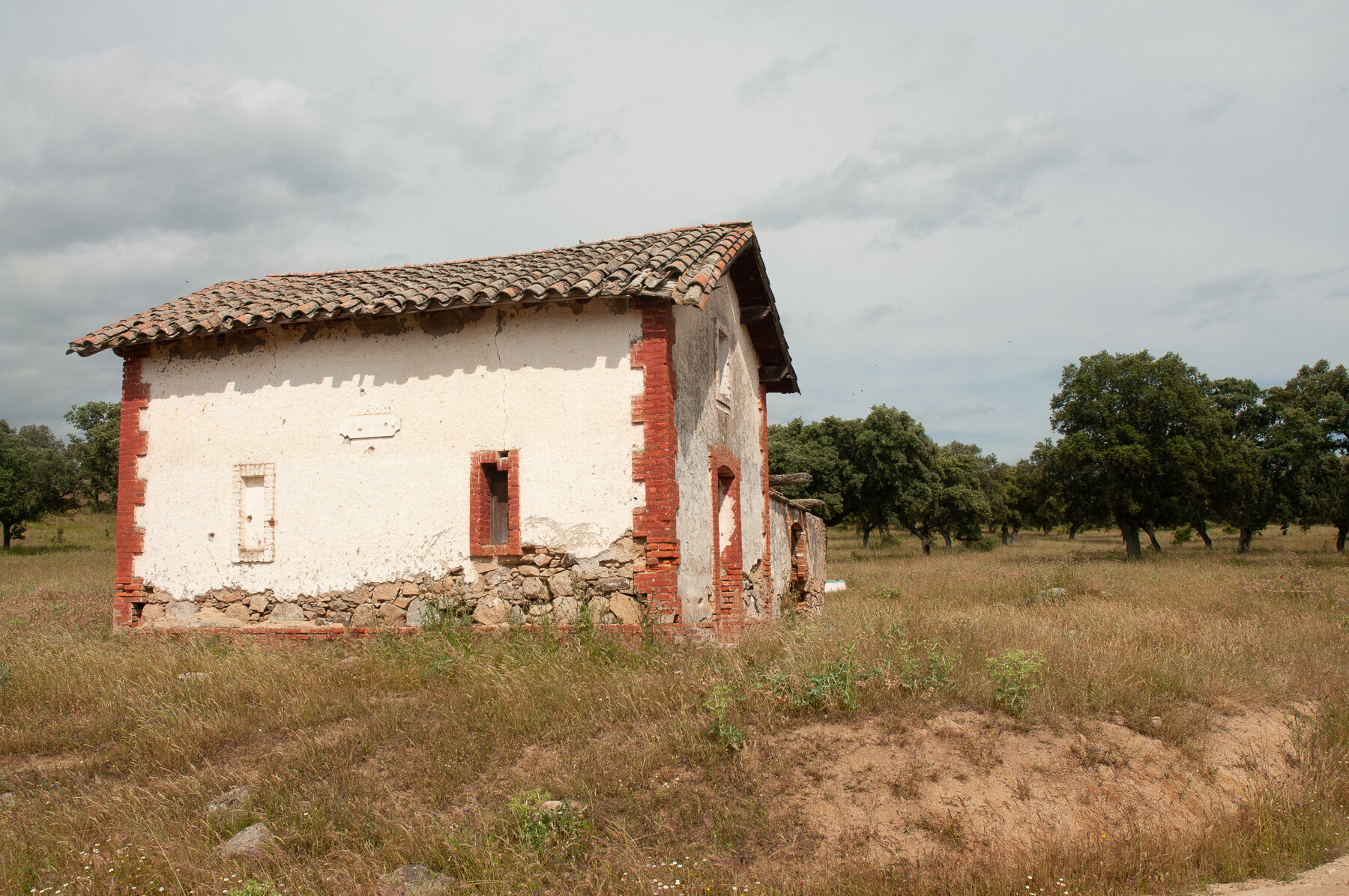
For centuries, Los Pedroches was a natural passage between Andalusia and Madrid. But when the main route shifted towards Despeñaperros, the region became isolated. At the end of the 19th century, the development of the railway network did not solve the problem: the nearest stations were far away and poor roads made transport difficult, especially transport linked to mining.
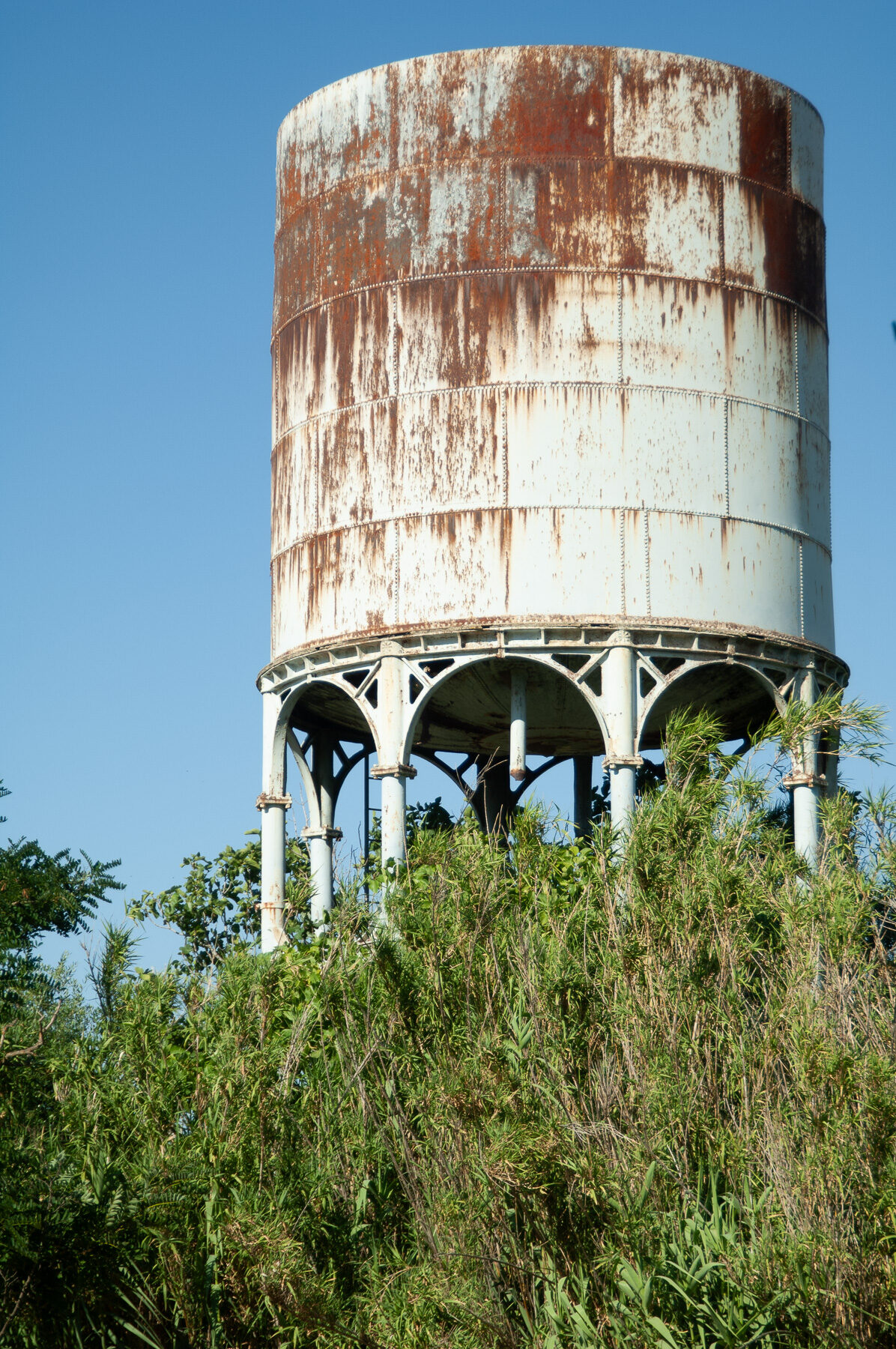
The solution came through mining. In 1904, work began on the narrow-gauge line promoted by the Peñarroya Mining and Metallurgical Company to transport galena from the El Soldado mines to its smelting works. In 1906 the train reached Pozoblanco, and in 1907 it arrived at Villanueva de Córdoba and Conquista, whose station became a strategic hub. A mining railway also departed from here to connect with the El Horcajo mines.
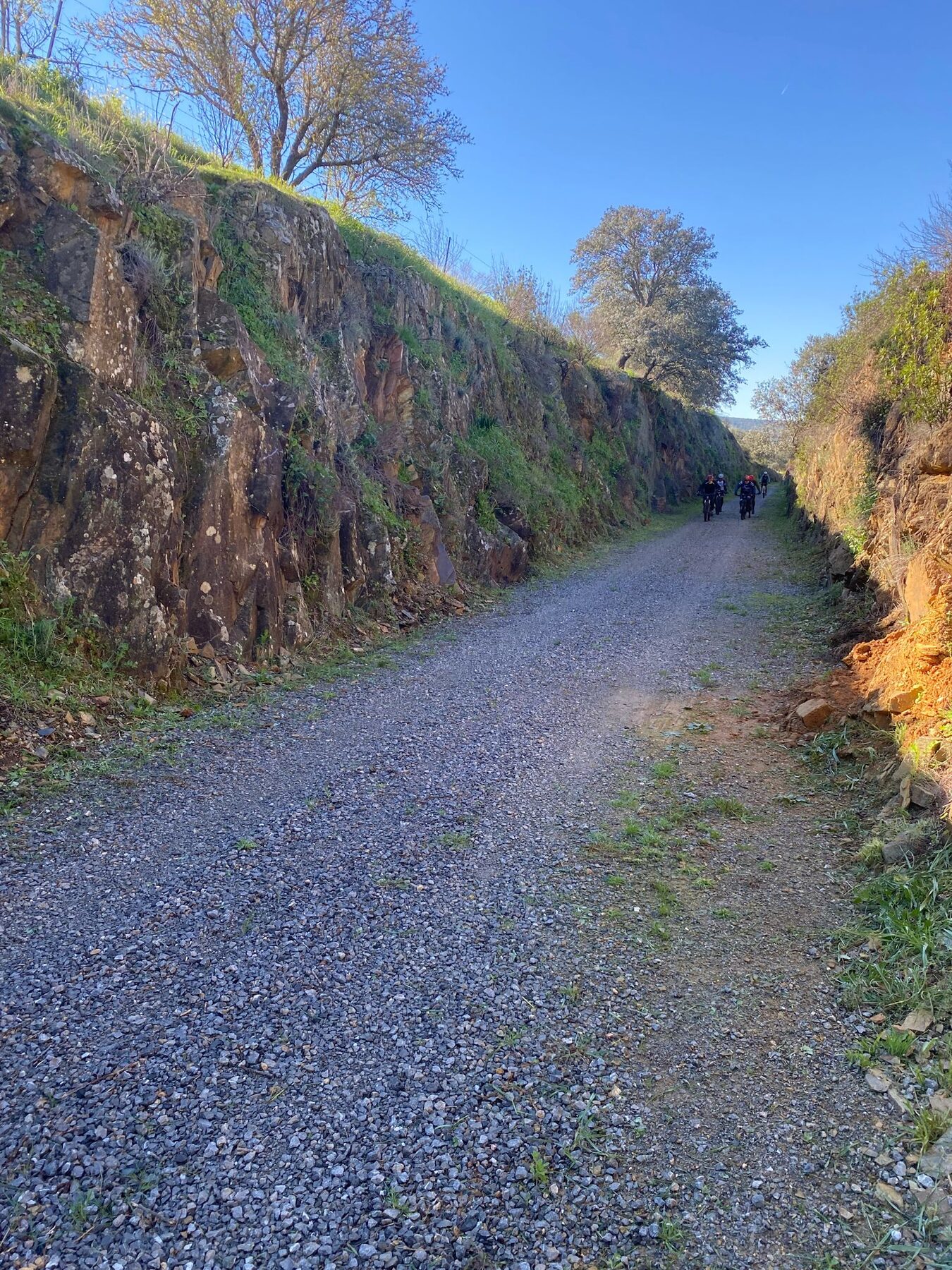
A decisive milestone was the drilling of the Horcajo tunnel in 1927. The steep gradient of this section required an innovative solution: electrification, something unusual on secondary lines at the time. This made traffic safer and more efficient, overcoming the limitations of steam locomotives.
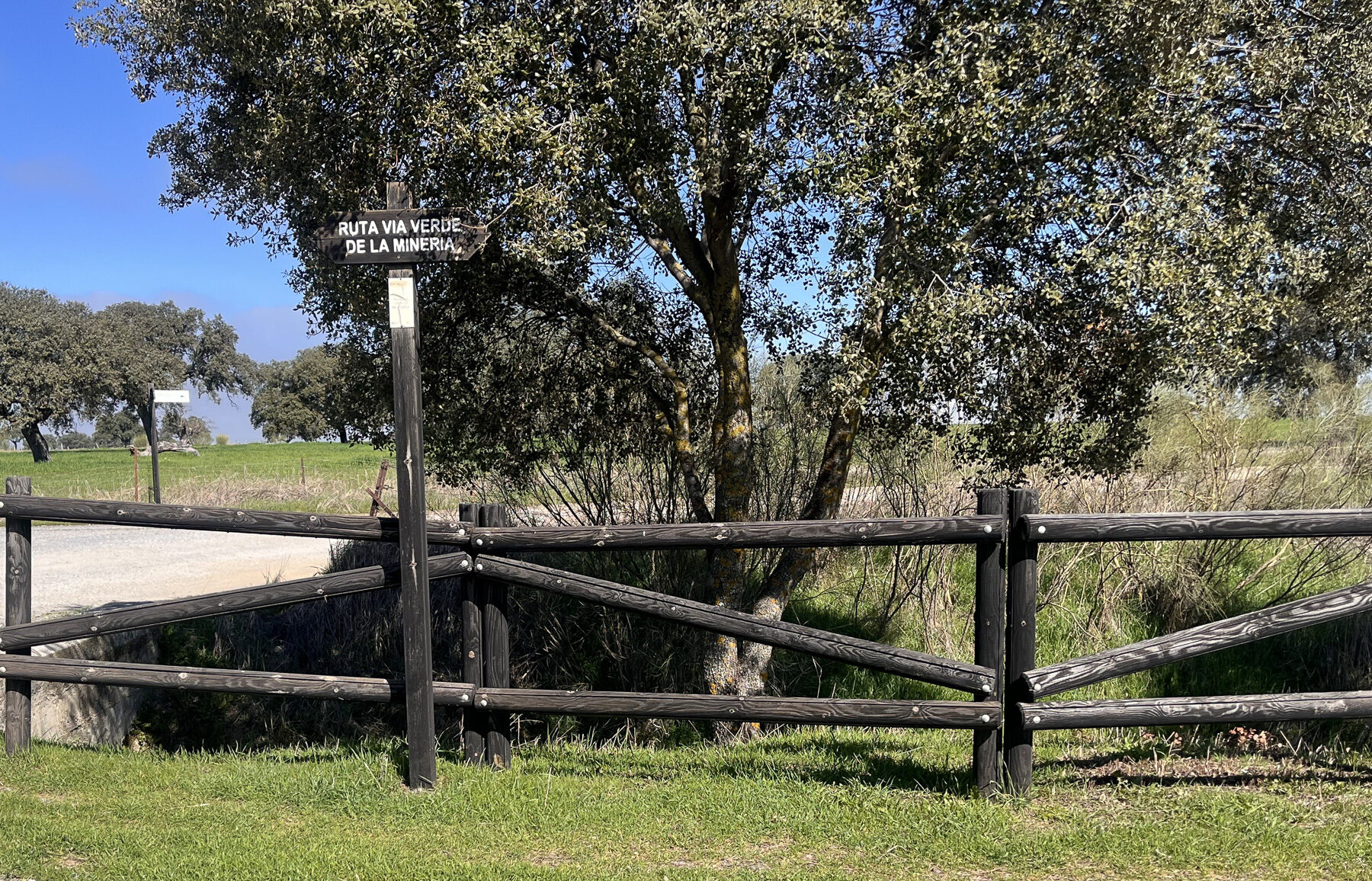
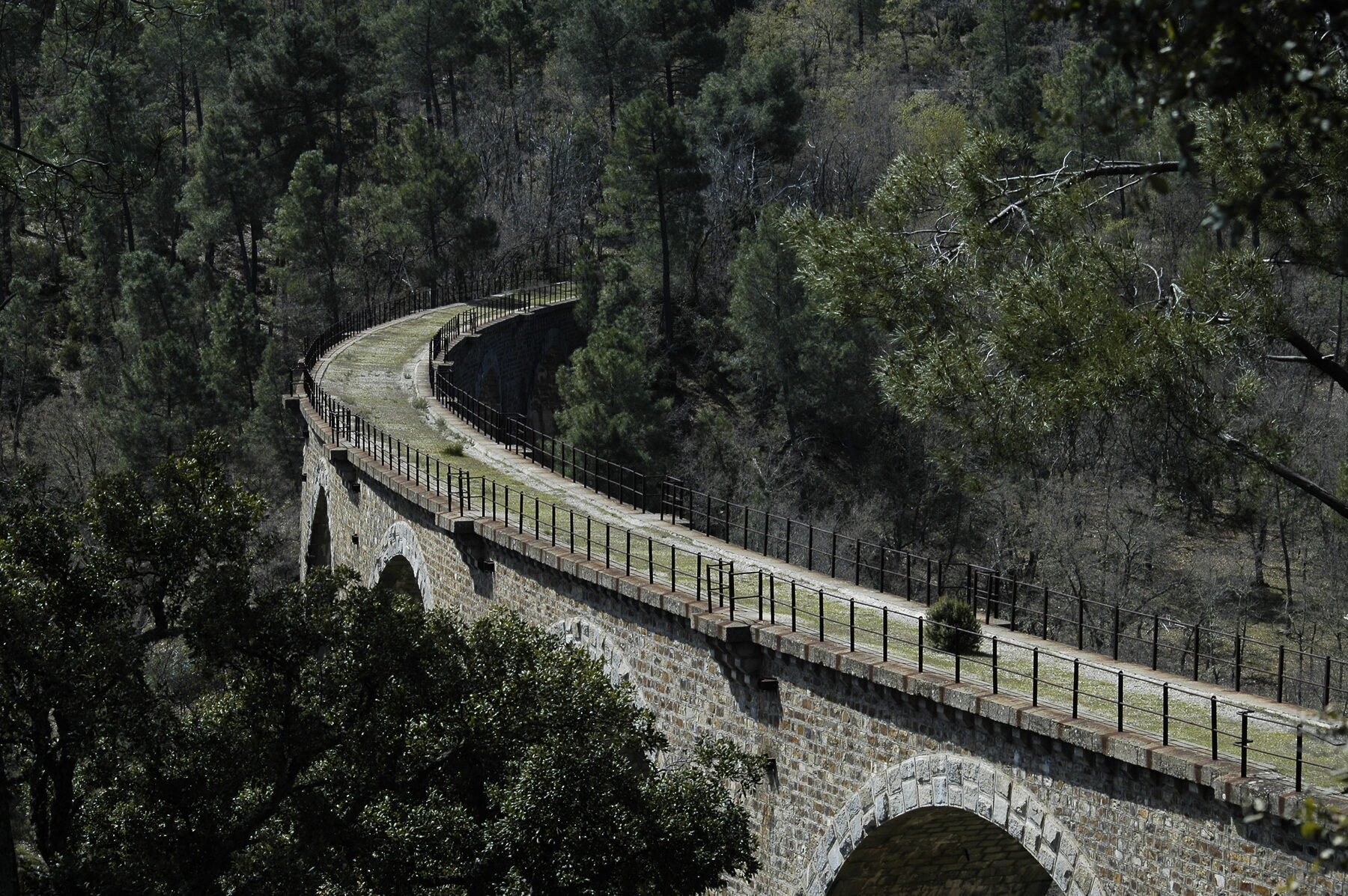
This modernisation made it possible to connect directly with Puertollano and, from there, with Madrid and the rest of Spain, without detours through Córdoba or Almorchón. After the closure of the mines in 1933, the line declined until it was finally closed on 1 August 1970. Today, its route and stations preserve the memory of that historic transformation.