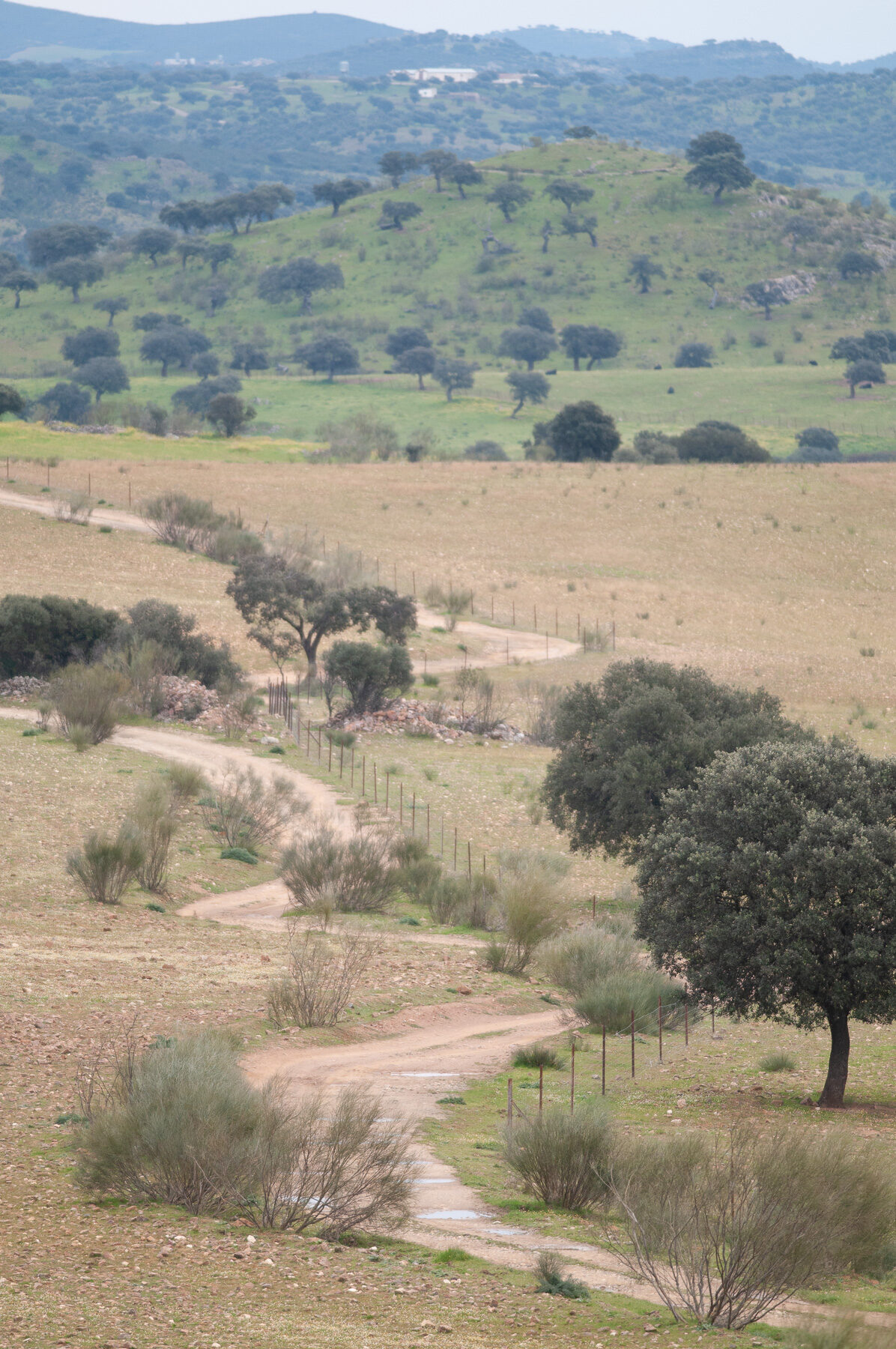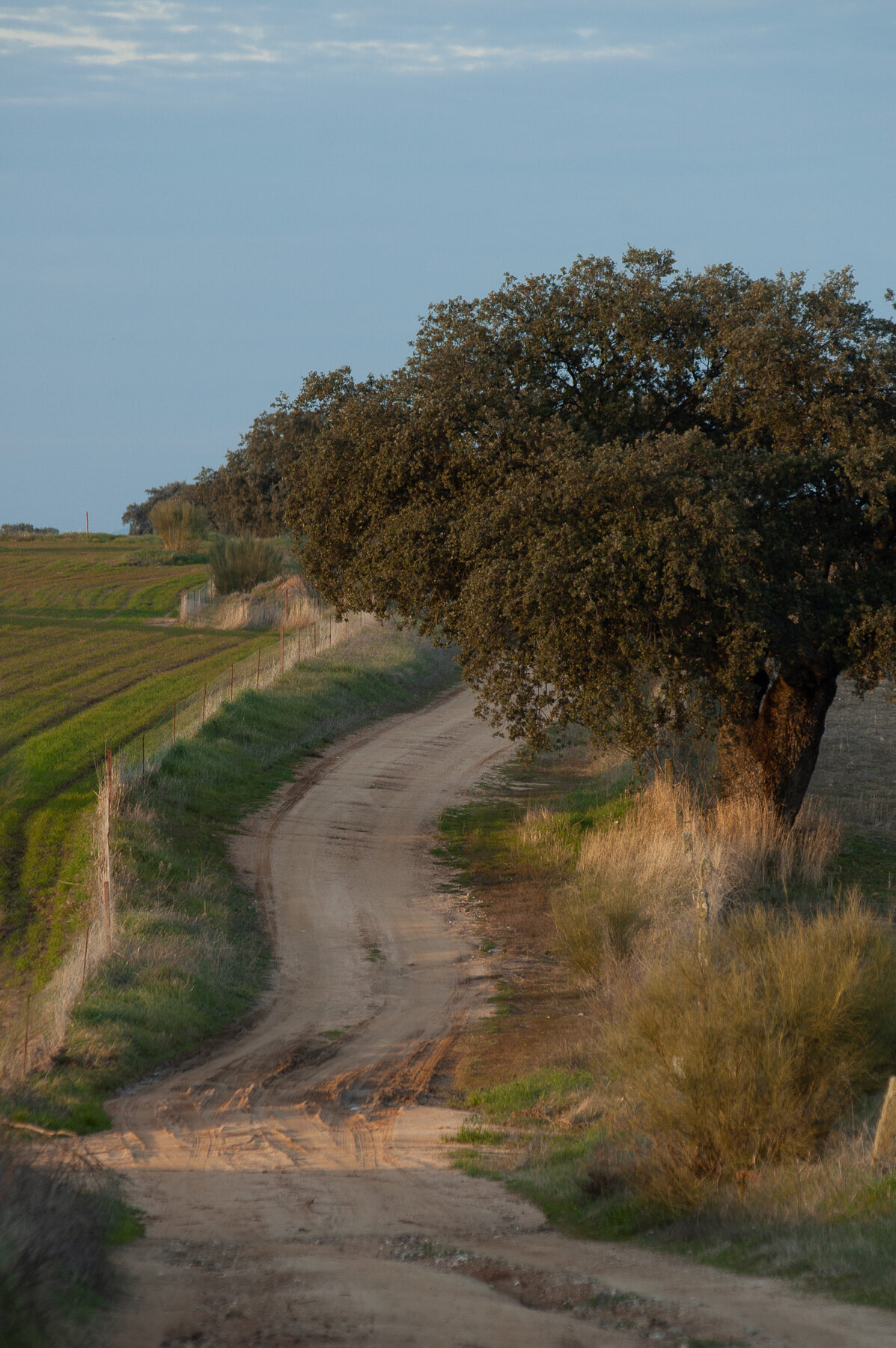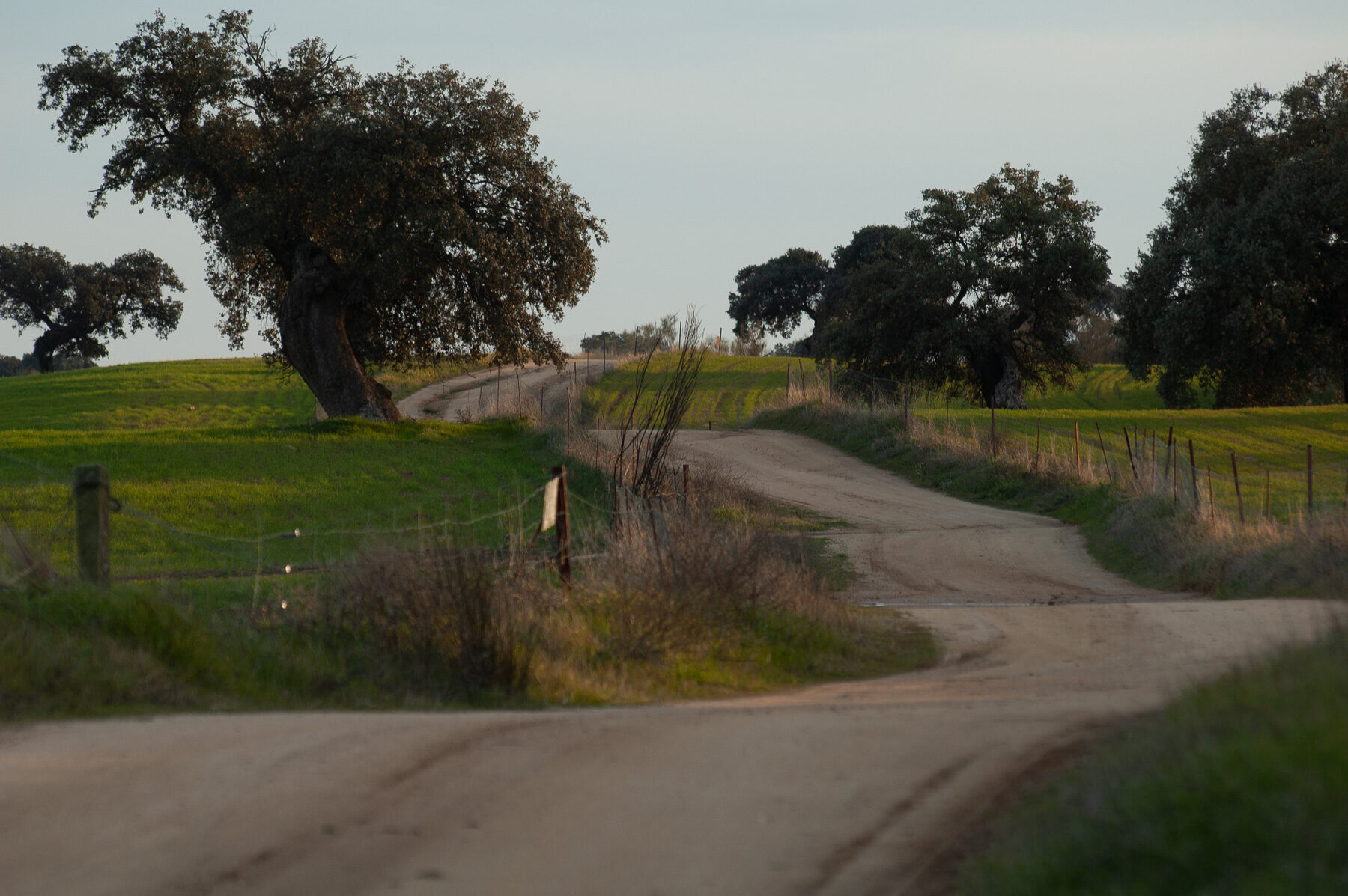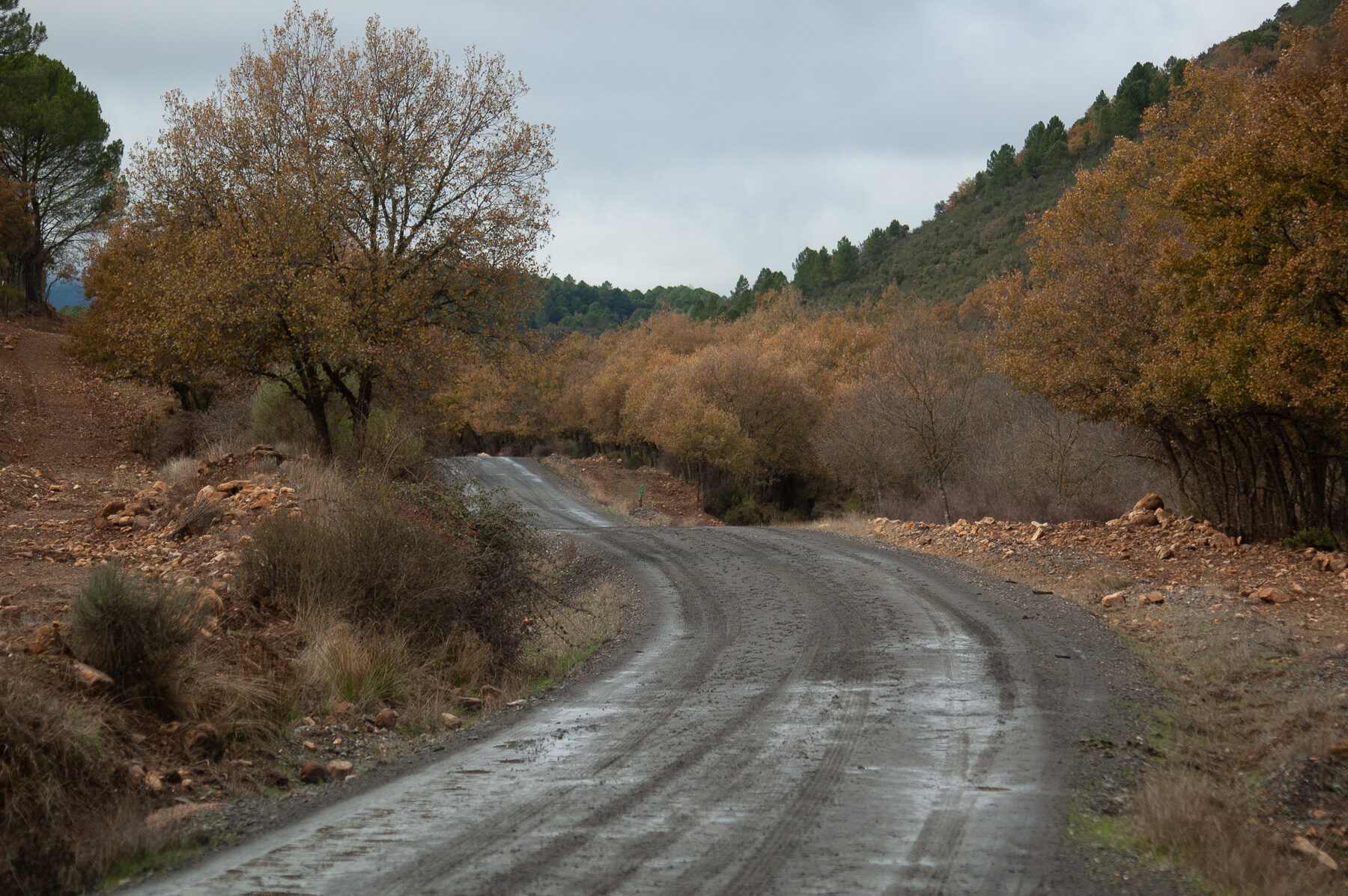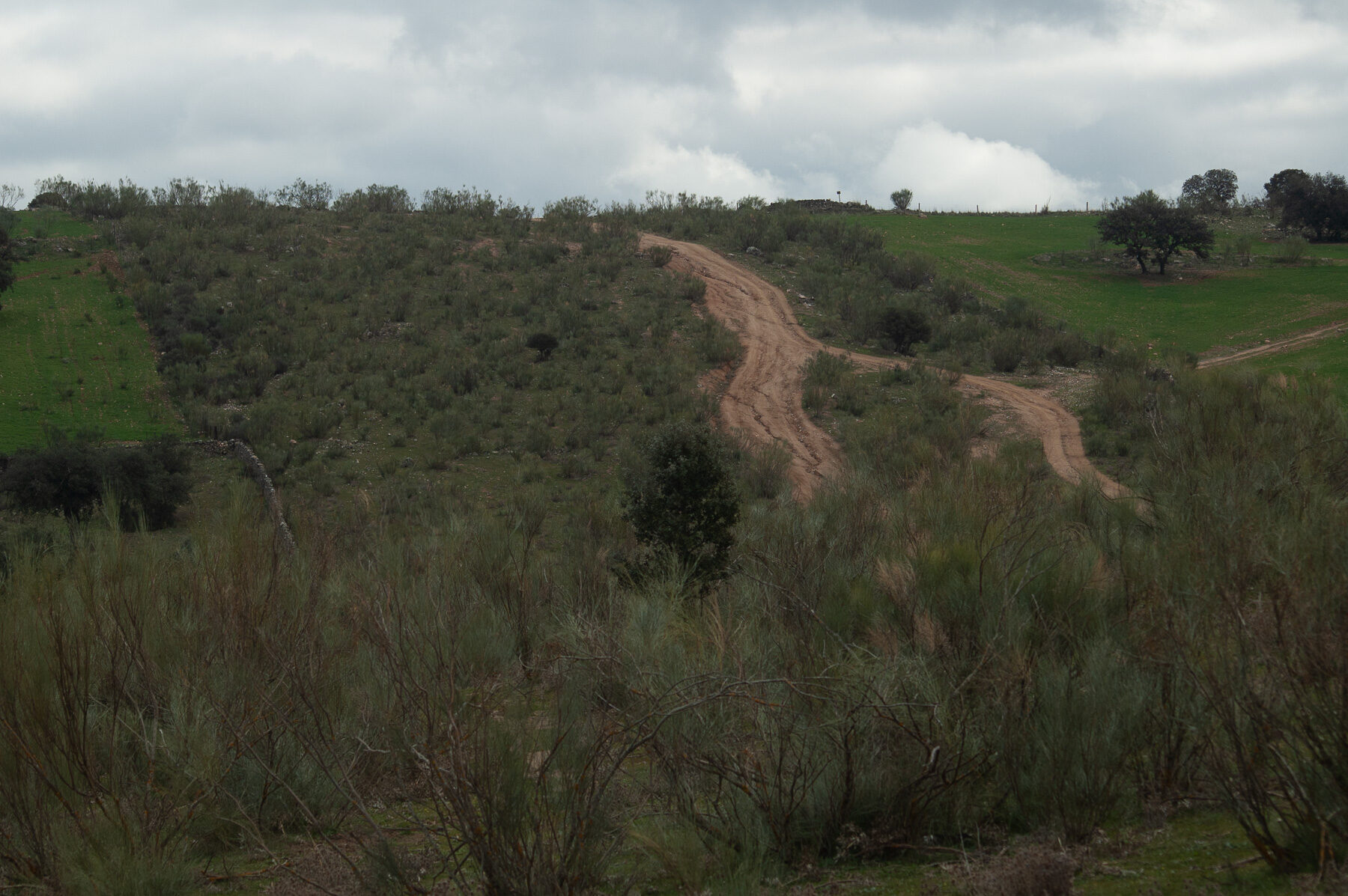
Drovers’ roads are historic routes used by transhumant livestock in their seasonal movements between the northern pastures and the dehesas of southern Spain. Their origin dates back to 1273, when King Alfonso X the Wise created the Honourable Council of the Mesta, an institution that protected and regulated transhumance, promoting a network that today exceeds 125,000 kilometres in Spain.
The main routes are the Cañadas Reales, which can be up to 75 metres wide. Smaller routes include cordeles, veredas and coladas. Since 1995 they have formed part of the public domain and are valuable ecological and cultural corridors.
In Los Pedroches, the network totals around 1,245 kilometres. The Cañada Real Soriana Oriental and the Cañada Real de la Mesta are particularly significant. The Cañada Real Soriana Oriental enters Los Pedroches from the Alcudia Valley through Puerto del Mochuelo. Coming from distant lands in Soria, it crosses the region north to south towards Seville, allowing livestock to take advantage of southern winter pastures.
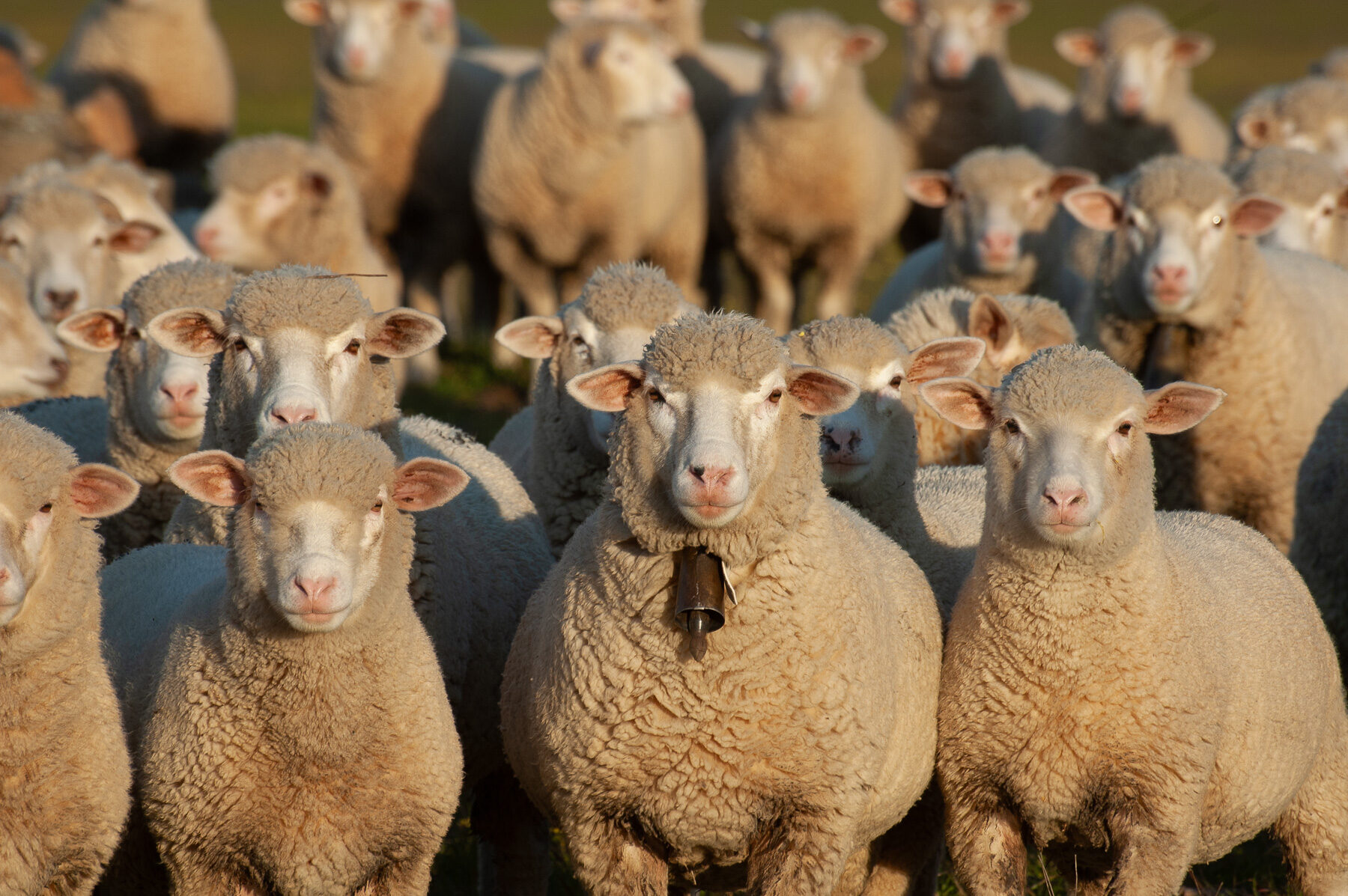
At El Guijo it joins the Cañada Real de la Mesta, which comes from Badajoz and crosses Los Pedroches from west to east. This historic route connected the Extremaduran dehesas with the great transhumance corridors, enabling the movement of thousands of sheep, especially Merino flocks.
Today, walking these old drove roads allows visitors to relive the tradition of transhumance and discover the natural and ethnographic richness of Los Pedroches, where history, nature and culture are part of the same path.